Key Takeaways
- Dementia care is a broad term for support that fits many settings, including home, day programs, and community living.
- Memory care is a focused type of support designed for people living with memory loss.
- Memory care communities offer secure layouts, structured routines, and a team available around the clock.
- Signs like wandering or rising confusion can point toward memory care.
- Respite care gives families a chance to rest and try a community first.
How Dementia Care and Memory Care Compare
You want the right support for someone you love, and the words can feel confusing. Dementia care and memory care sound alike, yet they describe different things. At The Westmont at Short Pump, we help people learn the difference, so you can make a thoughtful choice without second-guessing yourself.
Dementia care is a broad term for support that can happen almost anywhere, while memory care is a focused type of care offered within a dedicated community.
What Dementia Care Really Is
Dementia care covers a wide range of help for someone experiencing memory changes. It isn’t tied to one place or one routine. Instead, it bends to fit each person and each stage.
That flexibility is the heart of it. You might see dementia care show up in many forms.
- Help at home from family or a hired caregiver
- Day programs that offer activities and social time
- Community options that provide more hands-on support
Because needs shift over time, dementia care often grows alongside the person. Early on, a little reminder here and there may be enough. Later, more steady support can step in. This gradual approach lets care match the moment without overwhelming anyone.
What Is Memory Care?
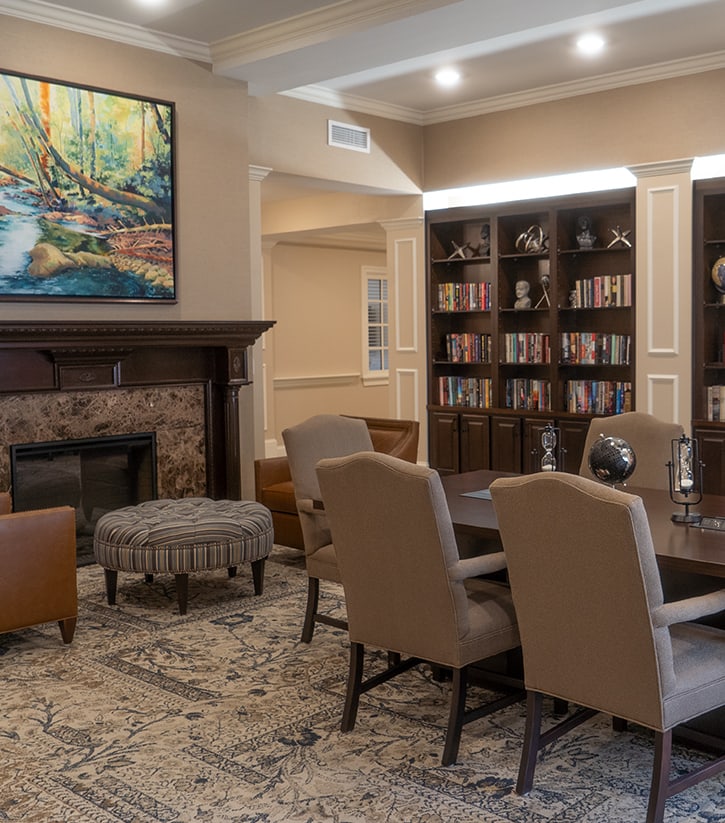
Memory care is a specialized form of support built around people living with memory loss. It lives inside a community designed for comfort and ease. Every detail, from the layout to the daily schedule, works to lower stress and add calm.
A few things set memory care apart.
- Secure layouts that keep residents safe while they move freely
- Structured daily routines that bring a sense of rhythm
- A trained team available around the clock
This steady structure helps residents feel grounded. When the day follows a familiar pattern, mornings feel smoother and evenings feel calmer.
Therapies and Programs That Engage Residents
Good days are built on small, meaningful moments. Memory care leans into activities that spark joy and connection. These gentle programs can include music, art, and reminiscence sessions that bring back warm memories.
Social connection matters just as much. Shared meals, group activities, and friendly faces give each day purpose. These routines help residents feel seen and valued. Even a short chat over coffee can brighten an afternoon.
Safety Features That Bring Comfort
Comfort and safety go hand in hand. Secure entrances and calming spaces help residents feel at ease, and they give families peace of mind too. Soft lighting and familiar touches help residents find their way with ease.
Time outdoors stays part of the picture. Beautiful courtyards offer fresh air and sunshine in a safe setting. A resident can stroll, sit, or enjoy the garden without worry.

Key Differences Between Memory Care and Dementia Care
Now that you’ve seen each one up close, the contrast comes into focus. The differences come down to a few clear points.
- Setting, since dementia care can happen at home while memory care lives in a dedicated community
- Level of supervision, with memory care offering more daily structure and around-the-clock support
- Scope of services, which memory care shapes to fit each stage of memory loss
Think of dementia care as the wide umbrella. Memory care is one focused option underneath it. One describes the broad idea, and the other describes a specific kind of home.
When Memory Care Becomes the Right Choice
Sometimes home care reaches its limits, and that’s okay. Knowing the signs helps you act with care instead of worry. A few common signals can point toward memory care.
- Wandering or moments of rising confusion
- Daily tasks like cooking or dressing growing harder at home
- Family caregivers feeling stretched and needing added support
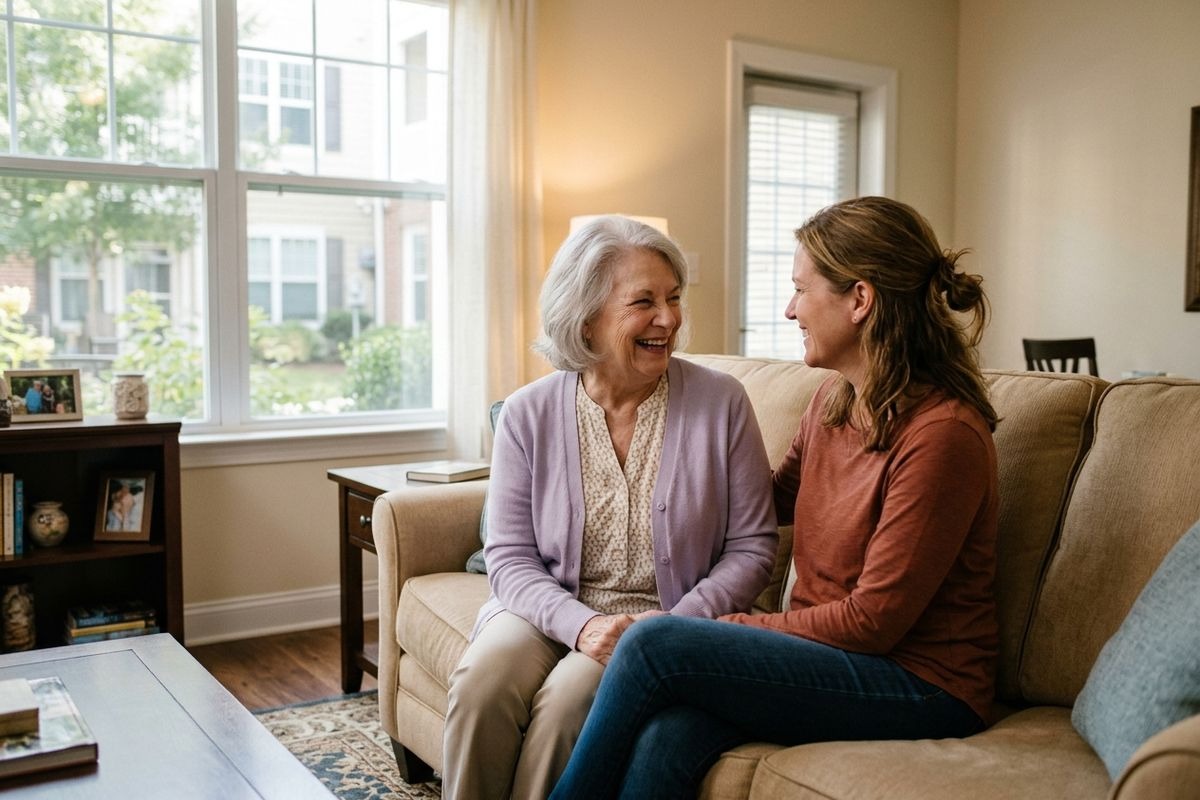
None of these mean you’ve fallen short. They simply mean the right kind of support can lighten the load. A community can step in so you can return to being a son, daughter, or spouse first. With steady support nearby, you can focus on time together rather than daily tasks.
How Respite Care Helps Families
Respite care offers short stays so you can travel, recharge, or simply catch your breath. Caregiving is steady work, and rest is part of doing it well. Your loved one receives attentive support while you take time for yourself.
A short stay also works as a gentle introduction. It lets your family try a community before making a longer choice. That firsthand look can make any future decision feel clearer.
Find the Right Senior Living Option for Your Family
Every family deserves a place that grows with them. The Westmont at Short Pump offers independent living, assisted living, memory care, and respite care, all under one roof. When everything sits in one community, future transitions feel smoother and less stressful.
You’ve earned support that meets you where you are. Come see the courtyard, meet the team, and picture daily life here for someone you love. Schedule a tour at The Westmont at Short Pump today, and take the next step with care.